By Andrew S. Kaggwa, Kampala
An urban flood forecasting system is being developed for five Nile basin countries to warn people of impending floods.
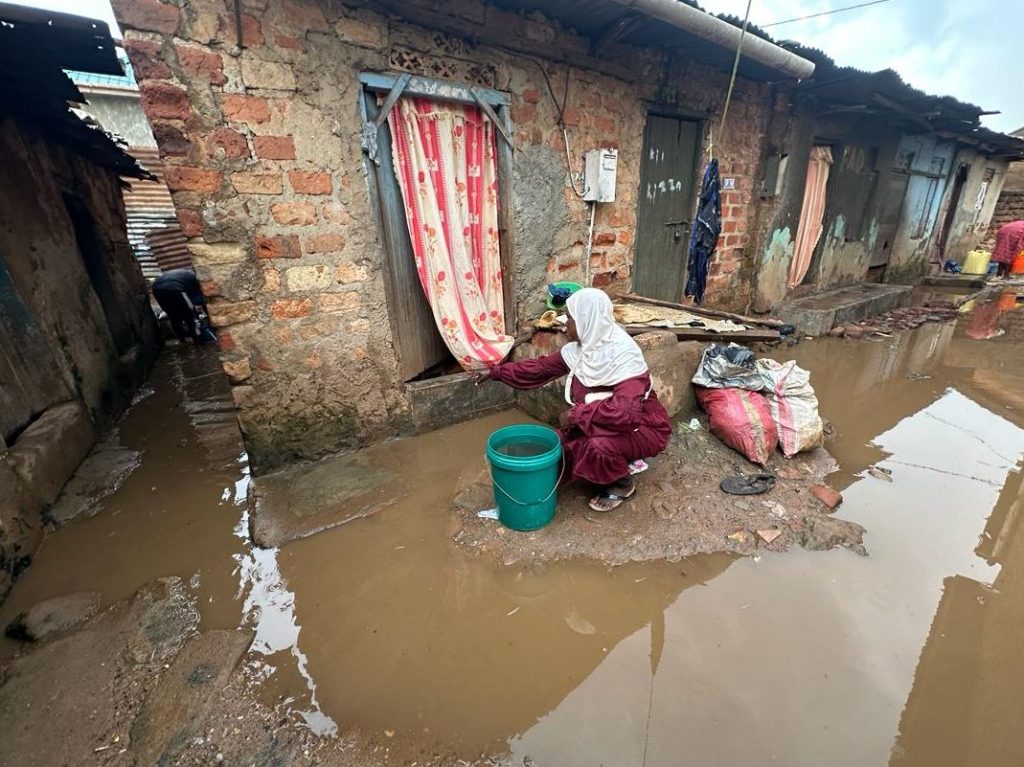
An urban flood forecasting system is being developed for five Nile Basin countries to warn residents of impending floods. The project, codenamed the Urban Flood Forecasting System (UFFS), is funded by the World Meteorological Organization (WMO) and supported by several organizations, including the Netherlands-based HKV and Deltares, the Dutch Ministry of Foreign Affairs, and the “Water at the Heart of Climate Action” initiative.
The cities to be covered by the UFFS include Kigali in Rwanda, Kampala in Uganda, Juba in South Sudan, Addis Ababa in Ethiopia, and Khartoum in Sudan.
The departments of hydrological and meteorology services in each respective country will serve as the focal points for the project. During a workshop held in Kampala from March 23 to March 25, 2026, which was attended by meteorologists and hydrologists from the five nations, participants were trained on different models used to develop flood forecasts.
Ramesh, a facilitator from the WMO, noted that while the project will begin with these five cities, it is expected to expand to other areas in the future. A follow-up regional workshop is scheduled for November 2026, to be held in either Juba or Kigali.
At the close of the workshop, Dr. Bob Alex Ogwang, the Commissioner for Meteorology at the Ministry of Water and Environment—who also serves as the Public Relations Officer for the WMO—remarked that hosting the workshop in Kampala was timely. He noted that evidence of flash floods is currently visible across the city and pointed out that whenever a flood disaster occurs, the ministry is often asked whether the population had been alerted beforehand.
Dr. Ogwang called on the participants to actively implement what they had learned during the sessions. He cautioned that while people attend many workshops and learn a great deal, the primary challenge remains the transition from learning to implementation. To mark the conclusion of the event, a cake was cut to celebrate World Meteorological Day, which coincided with the workshop’s start date of March 23. The theme for the day was “Let’s Take a Moment to Observe Today and Protect Tomorrow.”
This initiative is a critical component of the broader “Early Warnings for All” (EW4All) global strategy, which aims to ensure every person on Earth is protected by an early warning system by 2027.
Under the framework of the “Water at the Heart of Climate Action” project (2023–2028), the UFFS will eventually integrate into the East Africa Hazard Watch platform.
This will allow for the visualization of real-time hydrological data and outlook products, enabling national and local disaster management teams to take faster, data-driven anticipatory actions to protect vulnerable communities across the Nile Basin.