
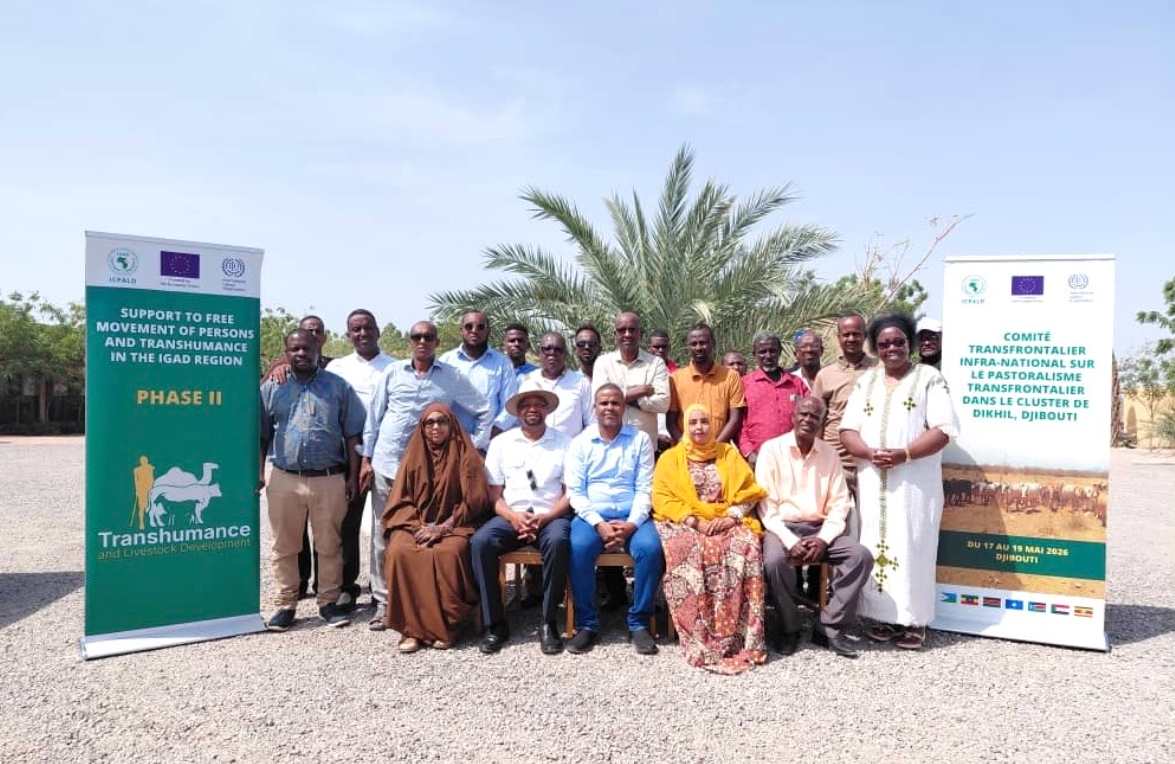
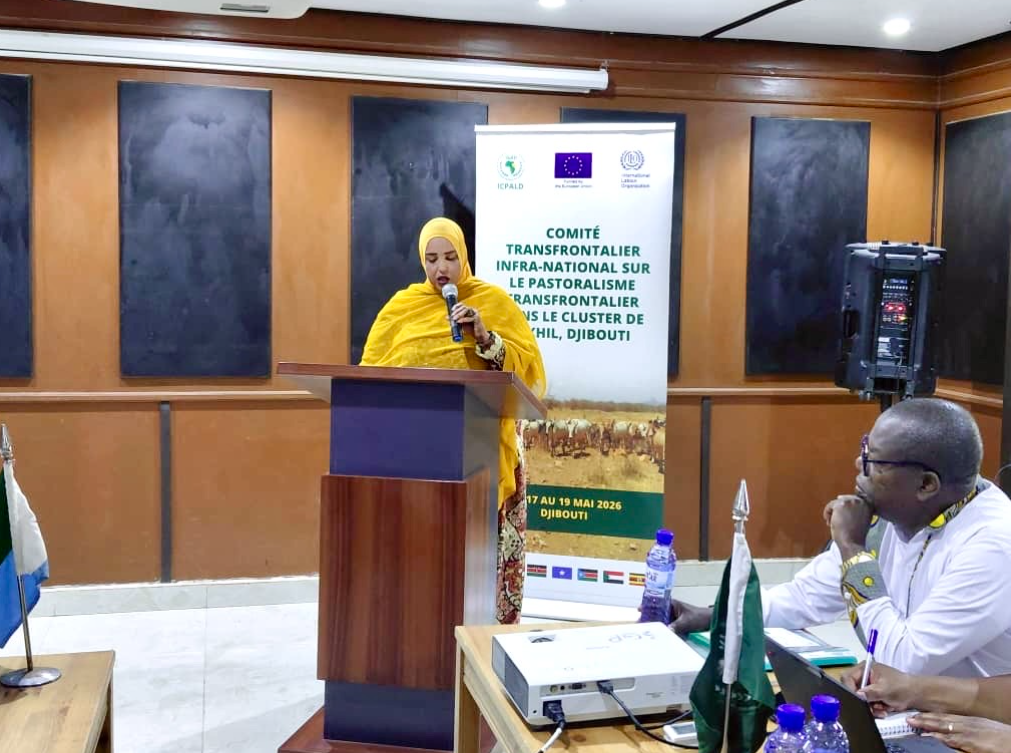
DIKHIL, Djibouti, May 18 (NECJOGHA) — Sub‑national committees in the Dikhil Cluster are meeting from May 17‑19 to strengthen coordination on transboundary pastoralism under the Intergovernmental Authority on Development (IGAD) Protocol on Transhumance, according to the official X account of IGAD Secretariat Centre for Pastoral Areas and Livestock Development.
The three‑day session is part of “Support to Free Movement of Persons and Transhumance in the IGAD Region — Phase II: Transhumance and Livestock Development”, funded by the European Union. The program focuses on identifying, engaging and training local coordination committees and stakeholders on the protocol’s implementation roadmap.
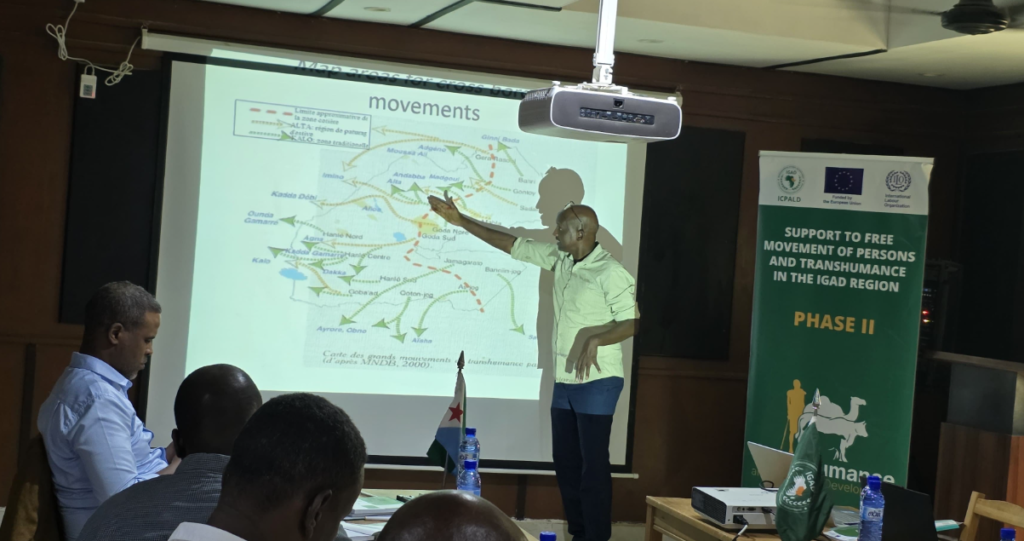
Training highlights include promoting safe and regulated cross‑border livestock mobility, strengthening pastoral livelihoods, enhancing regional cooperation, and supporting animal health, trade and resilience in Djibouti’s livestock sector.
Transhumance and Animal Health in the IGAD Region
Pastoral mobility is a cornerstone of the Horn of Africa, where livestock accounts for up to 80 percent of rural household incomes and the region hosts more than 532 million head of livestock, according to IGAD’s Centre for Pastoral Areas and Livestock Development. Seasonal transhumance supports livelihoods but also increases the risk of spreading transboundary animal diseases such as Foot and Mouth Disease, Peste des Petits Ruminants, and Contagious Bovine Pleuropneumonia.
IGAD has facilitated bilateral and multilateral agreements among member states to harmonize animal health activities, including joint surveillance, synchronized vaccination campaigns, and coordinated outbreak responses. These measures are critical to safeguarding pastoral livelihoods, ensuring livestock trade continuity, and building resilience against recurrent droughts and climate variability in the Horn of Africa.