

By NECJOGHA News Climate Desk
The 22nd Climate Risk and Early Warning Systems (CREWS) Steering Committee has concluded its meeting in Malawi, agreeing on a series of measures to accelerate delivery under the organisation’s Strategy 2030.
Delegates endorsed the Operational Plan for 2026–2028, launched a new work stream on innovative technologies for early warning systems, and approved the 2026 priority project pipeline. Preparations also began for Phase 2 projects, including a $5 million programme in Malawi and a $6 million continental initiative to strengthen regional collaboration and institutional capacities for early warning and early action across Africa.

According to a post by the Global Facility for Disaster Reduction and Recovery (GFDRR), the meeting highlighted priority areas in Malawi: stronger hydromet services, institutional capacity, and last-mile delivery to ensure warnings reach those most at risk. GFDRR noted its collaboration with partners through CREWS to advance the global Early Warnings for All initiative.
Officials praised Malawi’s Department of Climate Change and Meteorological Services and the national government for their leadership and commitment to protecting communities from climate-related disasters.
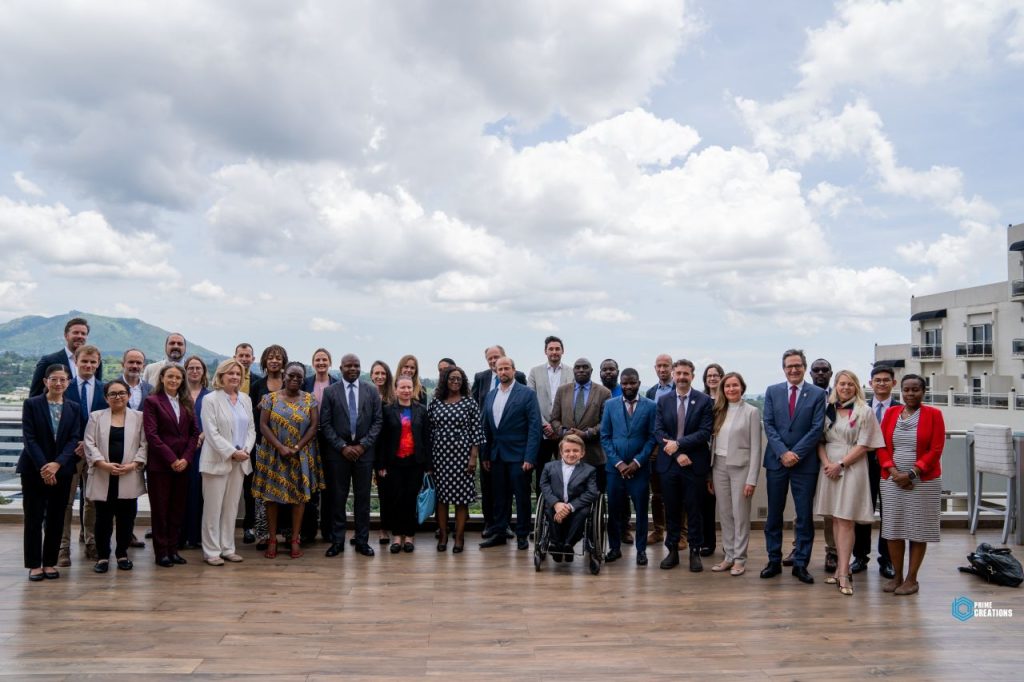
CREWS, a global partnership focused on bolstering early warning systems in Least Developed Countries (LDCs) and Small Island Developing States (SIDS), emphasised that innovation, scaling up, and resource mobilisation remain central to its mission.

The Steering Committee includes donor countries such as Australia, Austria, Canada, Finland, France, Germany, Luxembourg, Monaco, the Netherlands, Norway, Switzerland, and the United Kingdom. Their continued collaboration was hailed as vital to safeguarding lives and livelihoods in the face of intensifying climate risks.