
By Jarso Mokku, PhD—Chief Executive Officer, DLCI
What Has Become of Kenya’s Most Celebrated Ending Drought Emergencies (EDE) Framework
For more than sixty years, policymakers, development agencies, and technical experts have promoted a familiar narrative in Kenya’s drylands: pastoralism is outdated, unproductive, and on its way out. In its place, crop farming has been marketed as the modern alternative, inspired by session paper number 10 of 1965, a strategy to bring food security, economic growth, and settlement to regions long considered “difficult and low potential areas.” But the lived reality across northern Kenya tells a very different story.

Despite intense pressure to replace it, pastoralism remains the dominant livelihood system in Kenya’s drylands, which cover over 80 per cent of the country’s landmass. Meanwhile, crop farming projects introduced as alternatives have either failed outright, survived only under heavy donor subsidy, or remained too marginal to influence local economies.
This is not a coincidence. It reveals a deeper flaw in our thinking about development in drylands.
Pastoralists supply more than 80 percent of Kenya’s beef, support over 14 million Kenyans, and keep cities such as Nairobi fed with daily milk and meat. Far from collapsing, the pastoral economy is carrying an enormous share of the nation’s food system. Yet public debate continues to ask, “Why is pastoralism struggling?”
The more honest question is: Why has pastoralism refused to die, while the alternatives we keep financing continue to fail?
Drylands Are Not for Crop Farming
Kenya’s drylands face extreme climate variability, low and erratic rainfall, fragile soils, and frequent drought cycles. These ecological realities make large-scale, rain-fed agriculture nearly impossible. Wetlands in the drylands are pastoralism protection zones. And that is why high-profile irrigation schemes—Bura, Hola, Turkwel, and Wei Wei—struggle with water shortages, high costs, salinity, technical breakdowns, and land-use conflicts.
No policy optimism, seed innovation, or extension messaging can change the climate.
Drylands Development will succeed if pastoralism/livestock initiatives are promoted rather than crop farming.

The key question for summer school practitioners is why crop agriculture continues to attract more public financing and donor investment than livestock development, rangeland management, mobility infrastructure, or pastoral markets.
This is happening now; the global demand for livestock products is rising sharply, with the livestock market projected to reach USD 5.35 trillion by 2026. Kenya’s drylands are well-positioned to benefit—if only development investment is aligned with the ecological and economic realities of the drylands.
So, let us get back to the core question—Why Pastoralism CANNOT Die.
Pastoralism has long outlived predictions of its demise for one simple reason: it works in drylands.
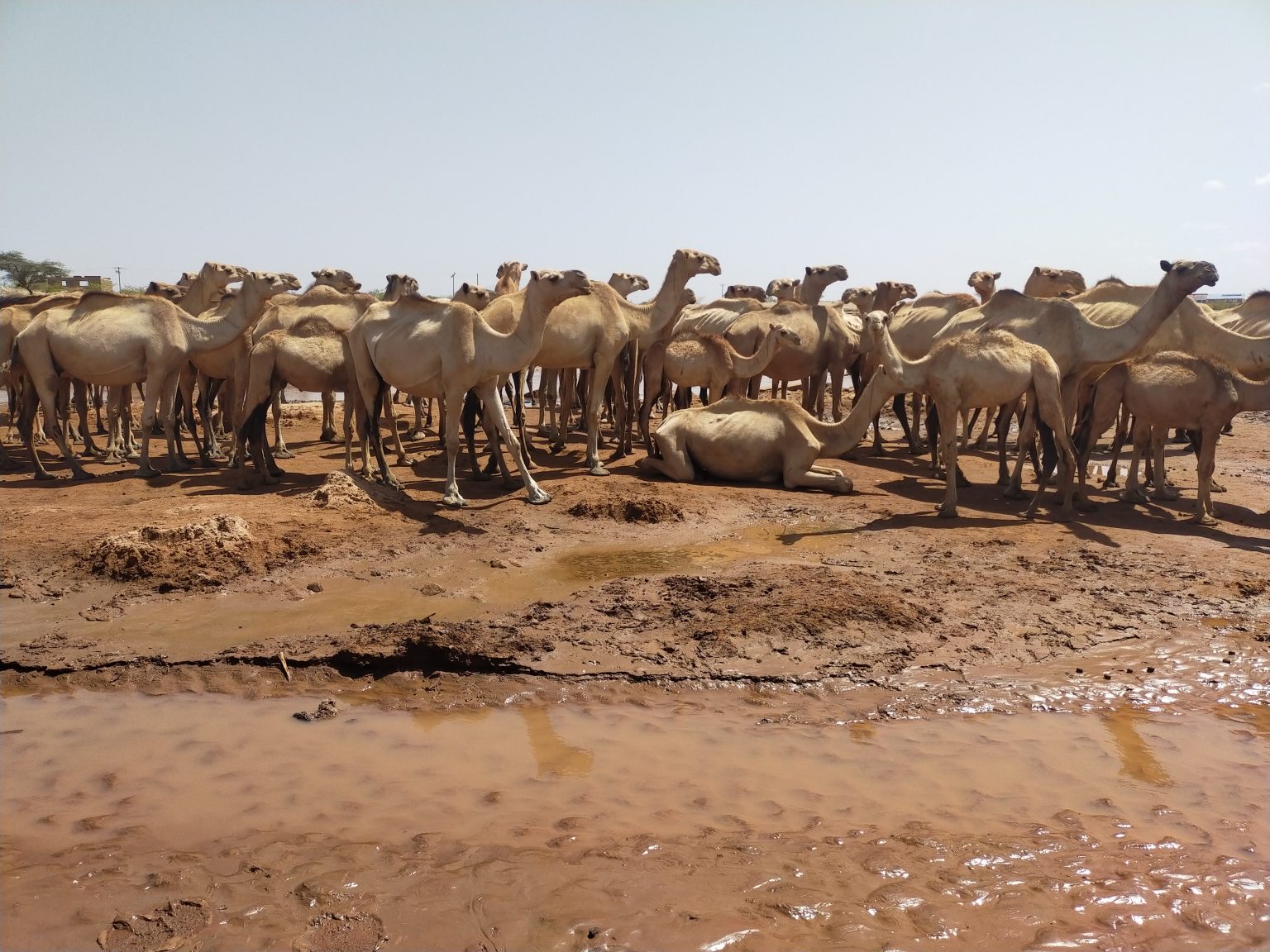
Pastoralism is a highly sophisticated, climate-adapted system designed for drought-prone landscapes. By moving across large areas to track rainfall and grazing, pastoralists convert natural vegetation—unsuitable for crops—into high-value protein. They do so without irrigation, fertiliser, or soil degradation. Mobility is not backwardness; it is one of the world’s most effective climate-adaptation strategies.
In an era of increasing climate uncertainty, pastoralism is not something of the past—it is a modern survival and prosperous model for the future of drylands development.
Should Animals Die of Drought? And Where Is the Promise of the EDE Framework?
Droughts in Kenya are not new. What is new is the scale of livestock deaths witnessed in recent years. Historically, pastoralist institutions ensured herds survived through the following:
- seasonal mobility
- dry season grazing reserves
- shared access negotiated between communities
- strong communal land governance
These systems kept herds alive even in the worst seasons. Today, animals die not because droughts are too strong or more frequent, but because community systems have weakened due to the promotion of failing alternatives that are bringing the system down with them.
- Mobility corridors are blocked by settlements, farms, and fencing.
- Community lands remain unregistered or fragmented.
- Grazing areas are encroached upon.
- Investment in rangelands is minimal.
- Emergency response arrives late—long after animals have died.
And here lies the uncomfortable question: What became of Kenya’s celebrated “Ending Drought Emergencies (EDE)” framework?
Launched in 2012 and praised globally, EDE promised that by 2022, no Kenyan animal would die because of drought. A decade later, drought still kills thousands of livestock. Counties still rely on late relief supplies. Rangelands still receive little investment. And mobility—the backbone of drought resilience—remains largely unsupported.
If EDE was meant to end drought emergencies, why do we still treat every drought as a humanitarian crisis?]

A New Narrative and Direction in Drylands Development. It is about Regenerative Rangeland Economies
The solution is not to abandon drylands or romanticize pastoralism. It is to invest in systems that work in drylands, not against them. A regenerative rangeland economy centers on:
- secure community land rights
- protected mobility corridors
- restored rangelands and well-managed grazing
- strong livestock markets and preemptive offtake-anticipatory action, not reactive.
- Feed and fodder banks and strategic water systems
- climate-smart livestock services, disease control and enhancing livestock export markets that directly benefit pastoralist (Producers)
- nature-based enterprises
- renewable energy (solar, wind)
This approach does not replace pastoralism—it modernizes and strengthens it. It aligns development spending with ecology, climate science, and market demand.
Pastoralism has and cannot die because it makes sense. Crop agriculture can not replace pastoralism in drylands because drylands cannot sustain it. Both climate and ecology make drylands unsuitable for crop farming. Animals die of drought because systems fail—not because droughts are inevitable. If Kenya is serious about food security, climate resilience, and inclusive growth, it must stop forcing drylands to become what they are not—and start investing in what they already are.
Originally published on this website.