
By David Luganda, Kampala
KAMPALA, May 29 (NECJOGHA ) – Uganda’s Ministry of Water and Environment released the June to August 2026 Seasonal Climate Outlook at the Uganda Media Centre on Friday 29th May , warning that most parts of the country will experience near‑normal to below‑normal rainfall and warmer‑than‑average temperatures.
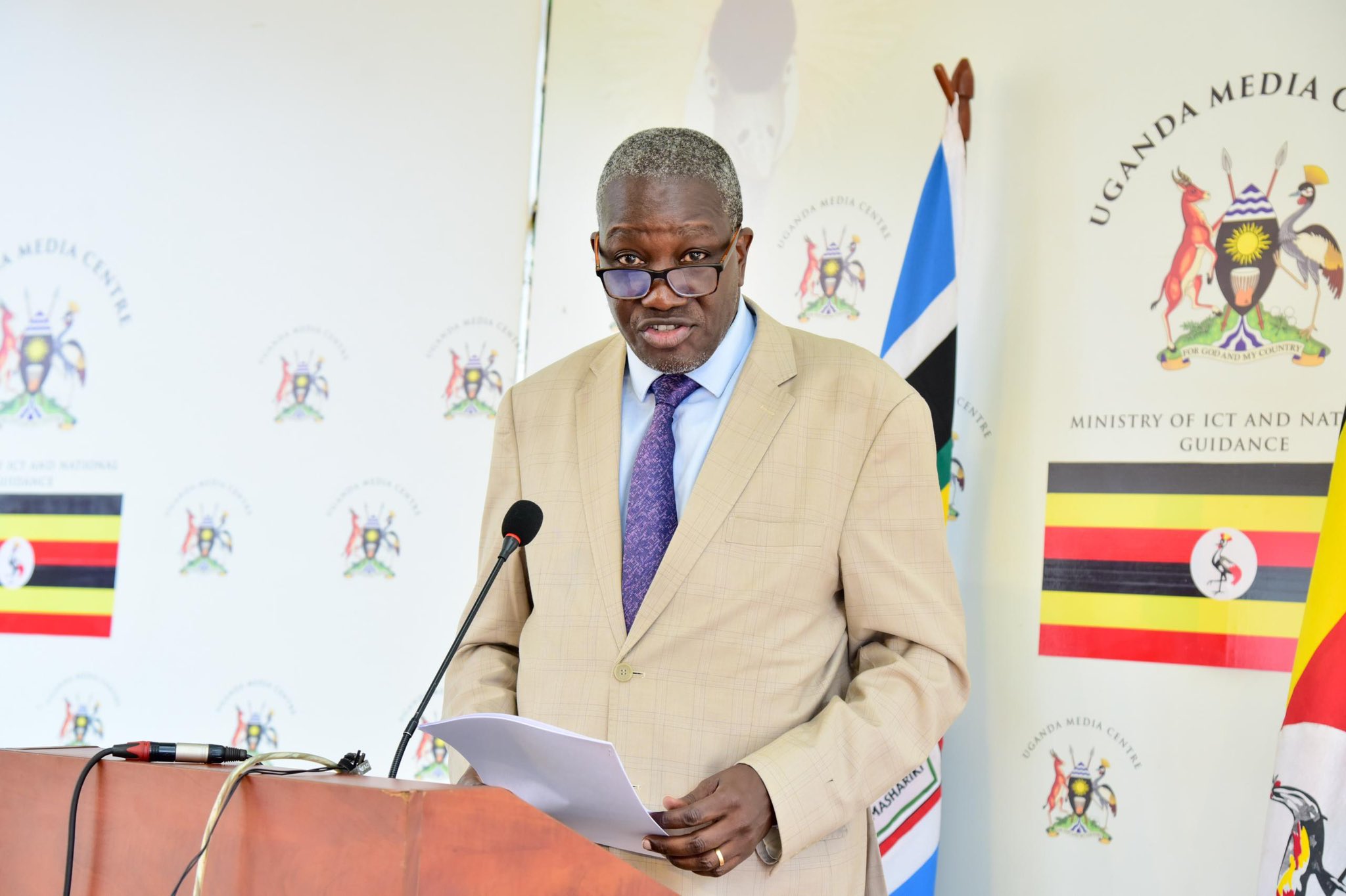
“The predicted rainfall and temperature requires timely action to mitigate risks and take advantage of favorable conditions,” said Dr. Alfred Okot Okidi, Permanent Secretary at the Ministry of Water and Environment, speaking to journalists at the release. “This forecast should guide planning in all climate‑sensitive sectors to enhance economic resilience and community well‑being.”
The Ministry explained that the suppressed rainfall outlook is linked to warm sea surface temperatures in the equatorial Pacific Ocean, consistent with El Niño tendencies. Other drivers include the Madden Julian Oscillation, which influences rainfall timing and distribution, the Inter‑Tropical Convergence Zone, which positions the Congo Air Boundary over northern and eastern Uganda, and local features such as mountains, water bodies, and vegetation that shape sub‑regional climate.
The forecast shows that western and central regions will face drier‑than‑normal conditions, while northern and eastern regions are expected to receive near‑normal to below‑normal rainfall. Southwestern highlands and the Rwenzori sub‑region will see light showers in early June before prolonged dryness sets in. The Lake Victoria basin will experience intermittent showers until mid‑June, followed by dry conditions. Northeastern districts such as Moroto and Kotido will have early rains that decline toward July and August, while northwestern areas like Arua and Yumbe will see isolated showers but remain below average overall.
The Ministry warned that the outlook could affect agriculture, food security, water resources, and health. Farmers may face reduced crop yields and pest outbreaks, livestock could suffer heat stress and water scarcity, and fisheries risk drying ponds and declining oxygen levels. Health officials anticipate increased respiratory diseases, malaria outbreaks, and psychological distress linked to heat stress. Disaster managers cautioned about bush fires, water scarcity, and resource conflicts.
Authorities urged farmers to plant drought‑tolerant crops, preserve pastures, and invest in irrigation and water harvesting. Communities were advised to follow weather updates, strengthen health surveillance, and prepare contingency plans.
“We urge all stakeholders to use this forecast for strategic planning and informed decision‑making to enhance food security, protect livelihoods, and strengthen climate resilience,” said Dr. Okidi.